The Equator
The Equator is the imaginary line that divides the Earth into the Northern and Southern Hemispheres.
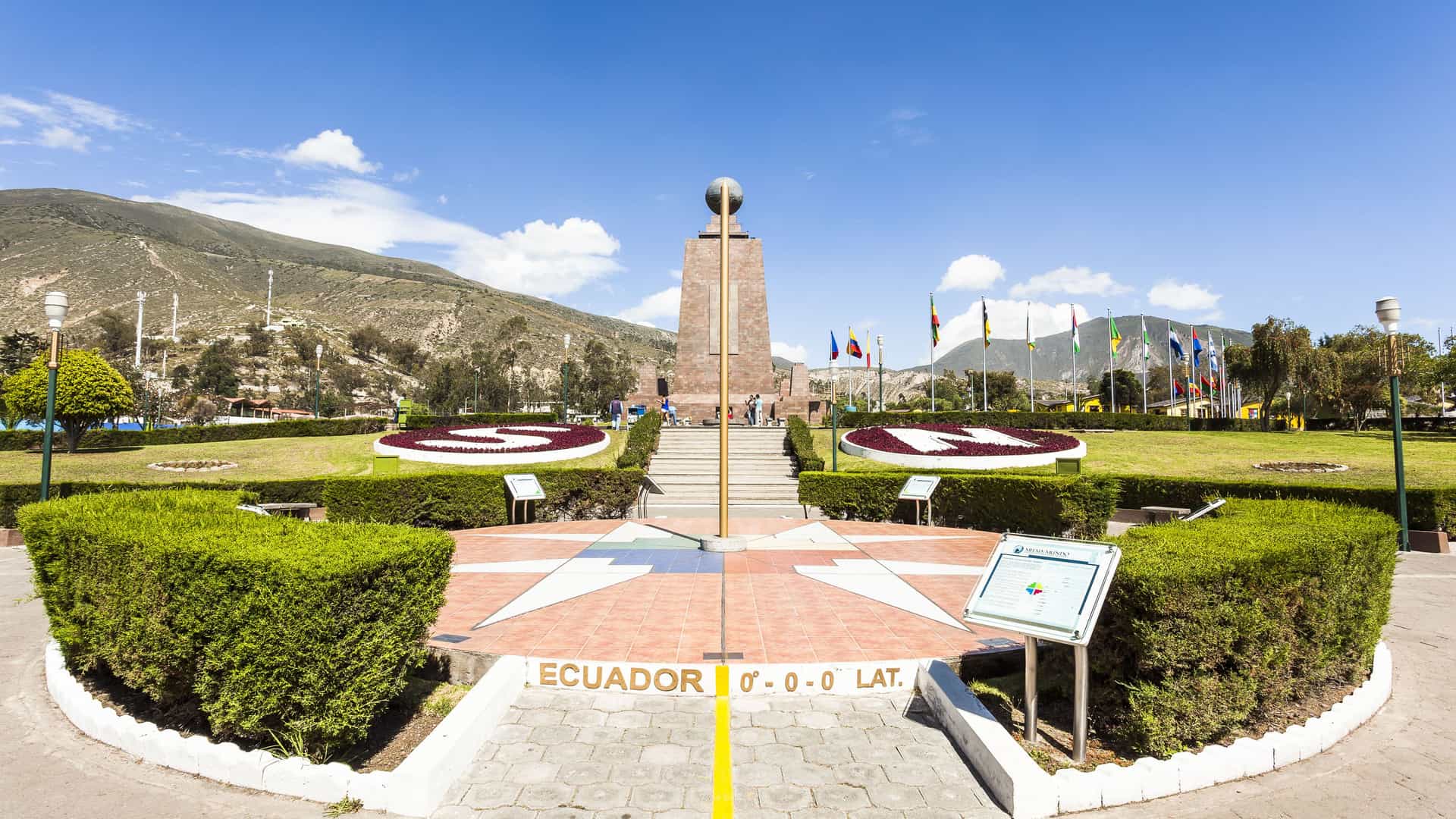
The Equator is the imaginary line that divides the Earth into the Northern and Southern Hemispheres.
4.9/5 ⭐Google 660+ Reviews | A+ Better Business Bureau

Overview
The Equator, the imaginary line that divides the Earth into the Northern and Southern Hemispheres, is not a physical cruise port but a momentous geographical marker. Crossing the Equator is a unique and celebrated experience for travelers, with many cruises offering special ceremonies and celebrations as they traverse this significant geographic line. This phenomenon is often a highlight of repositioning cruises (e.g., between hemispheres), world cruises, or specialized itineraries that pass through countries and regions like Ecuador, Brazil, and Indonesia. Traditionally, this crossing is marked by a festive "Neptune's Ceremony," a quirky maritime rite of passage for "Pollywogs" (first-time Equator crossers) transforming them into seasoned "Shellbacks."
Beyond the ceremonial fun, cruising the Equator offers a unique opportunity to experience Earth's most biodiverse and climatically consistent regions. These areas are known for their consistent weather patterns, with equal day and night lengths throughout the year, year-round warm temperatures, lush rainforests, and an incredible array of flora and fauna, often endemic to these specific zones. A visit to the Equator often includes opportunities to learn about the science behind the line, as well as to explore the ecosystems and cultures of the regions it passes through, making it an intriguing destination for both education and adventure.
The most iconic experience of an Equator-crossing cruise is the "Neptune's Ceremony" (or Line-Crossing Ceremony). This fun-filled maritime tradition involves King Neptune and his court initiating "Pollywogs" (those who haven't crossed the Equator before) through various playful rituals, often involving green "slime," silly challenges, and eventually, receiving a "Shellback" certificate. This special ceremony is a key celebration offered by many cruises crossing this geographic line.
Tip: Embrace the silliness! It's a memorable bonding experience with fellow passengers and crew. Don't be afraid to get a little messy.
One of the most famous and directly equatorial cruise destinations is the Galapagos Islands, located roughly 1,000 km (600 miles) off the coast of Ecuador. Expedition cruises here offer unparalleled opportunities to encounter fearless and endemic wildlife, including giant tortoises, marine iguanas, blue-footed boobies, and Darwin's finches, all in their natural habitats. The Equator runs through Ecuador, making this a prime location to explore its unique ecosystems.
Tip: Galapagos cruises are typically smaller expedition vessels. Book well in advance and choose an itinerary that matches your wildlife interests.
Cruises on the mighty Amazon River, whether ocean-going vessels to Manaus (Brazil) or smaller riverboats deeper into the jungle, frequently cross or operate near the Equator. This offers immersive experiences in the world's largest rainforest, with opportunities to spot incredible biodiversity, visit indigenous communities, and learn about the river's unique ecosystems. The Equator runs through Brazil, making this a key region for exploration.
Tip: Pack light, breathable clothing, strong insect repellent, and prepare for high humidity. Focus on early morning or late afternoon wildlife viewing.
The Equator passes through many islands of Indonesia, including Sumatra, Borneo (Kalimantan), and Sulawesi. Expedition cruises or port calls in these regions can offer unique experiences like visiting orangutan rehabilitation centers (Borneo), exploring ancient rainforests, or experiencing diverse local cultures untouched by mass tourism.
Tip: Research specific island destinations on your itinerary for unique endemic wildlife or cultural experiences.
For a truly off-the-beaten-path equatorial experience, some expedition cruises visit São Tomé and Príncipe, a small island nation off the coast of West Africa, directly on the Equator. These volcanic islands boast lush rainforests, pristine beaches, and a unique history tied to cocoa plantations, offering a blend of natural beauty and cultural heritage.
Tip: This destination is less frequented, so expect limited infrastructure but authentic experiences. Research local customs and currency.
Beyond specific landfalls, cruising the Equator itself offers unique observations. Experience the near constant 12 hours of daylight and 12 hours of night year-round, which is a defining characteristic of regions on the Equator. Observe the Coriolis effect demonstration if offered on board. Keep an eye out for unique pelagic wildlife often found in these rich equatorial currents.
Tip: Attend onboard lectures by naturalists or scientists to gain a deeper understanding of the unique geographical and ecological aspects of the Equator.
Our expert consultants and customer service teams are standing by to help with all of your cruising needs.
[Our Cruise Expert] and his team were absolutely amazing to work with! Our original trip was unexpectedly canceled by the airline, so we decided at the last minute to go on a cruis...
Julia K.
I've booked several cruises with [Our Cruise Expert] in the past 15 years and continue to book with her for my family of five. We just returned from a Western Caribbean cruise on...
John C.
Friendly and professional attention by my senior cruise consultant. Perfect assistance. Thank you
Jose M.
I was having some trouble finding the right cruise for the right price as a single traveler, but thanks to [our Cruise Expert] I was able to find it with Cruise Web. Thank you very...
Camille G.
We have worked with [our Cruise Expert] several times and she makes it so easy and a pleasure to work with. She is very knowledgeable.
Linda F.
[Our Cruise Expert] was informative and very pleasant to work with. I'm not familiar with booking travel online and he made my experience pleasant.
Sharon E.
I am working with [our Cruise Expert] as my travel agent...he has been very helpful...he is very informative and knowledgeable about the places that I want to go on my Cruise....I...
Priscilla B.
[Our Cruise Expert] does an exceptional job of planning (with you) and coordinating a trip of your dreams! I can't wait to get started on the next one.
Sheralyn H.
Great working with [our Cruise Expert]! He was a tremendous help and steered us in the right direction every time! Helped us make memories for a lifetime!
Wendy F.
[Our Cruise Expert] always works hard to secure the bookings we have chosen and guides us through the process. She is always available to help and her advise is spot on.
James C.