Overview
Oran, Algeria Tours
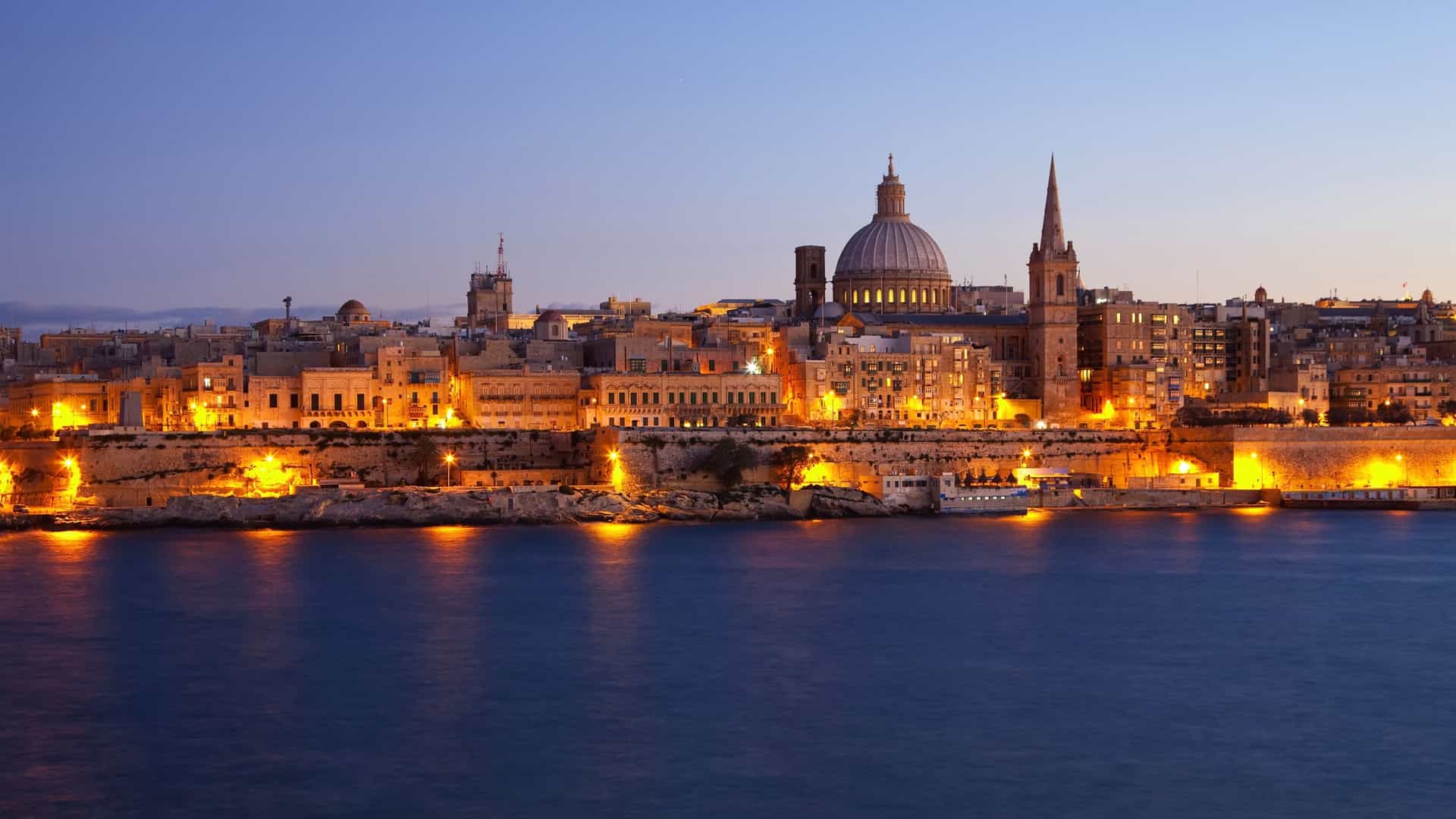
Oran spreads around a broad bay in northwestern Algeria, the country's second city and the birthplace of raï music, where Spanish, Ottoman, and French layers stack from the harbor up the slopes of Mount Murdjadjo. A working Mediterranean port with a grand seafront boulevard, whitewashed chapels, and an 18th-century old town, it blends imperial history with a lively street culture of cafés, markets, and music. Ferries link it to Spain and France, the Corniche curves west toward beach suburbs, and the old Turkish quarter of La Blanca keeps its dense, historic character.
What defines Oran is its balance of monumental history and everyday Mediterranean warmth. You move from the breezy heights of Fort Santa Cruz to the shaded courtyards of Ottoman mosques, from elegant French boulevards to the bustling lanes of the old town, and from quiet museum halls to the evening promenade along the sea. The terrain climbs from harbor to hilltop, the atmosphere is sun-drenched and musical, and the scenery pairs sea views with historic stone. It's a destination where empires left their mark and the city made it its own.
Top Things to Do When Visiting Oran, Algeria
Fort Santa Cruz
An Ottoman fortress was rebuilt by the Spanish. It commands panoramic views over the bay from Mount Murdjadjo.
Tip: Go in the late afternoon for golden light over the harbor.
Hassan Pasha Mosque
This is a 1796 Ottoman mosque and listed historic monument with a distinctive octagonal minaret. Take your time, look around slowly, and enjoy this calm stop at a relaxed and unhurried pace.
Tip: The mosque is closed to visitors, so admire its dome and minaret from the street outside.
Palais du Bey
This is the Ottoman Bey's palace in La Blanca. It has courtyards, gardens, and layered Spanish-era history.
Tip: Pair it with a wander through the surrounding old Turkish quarter.
Front de Mer Promenade
This is the grand seafront boulevard. It is the beloved evening strolling ground above the port.
Tip: Join the locals at sunset when the whole city comes out to walk.
Chapelle Santa Cruz
A whitewashed hilltop chapel was built after a 19th-century cholera epidemic. It is just below the fort.
Tip: The terrace offers one of the finest free viewpoints in the city.
Ahmed Zabana National Museum
This is prehistory. Islamic archaeology and fine arts also trace the deep past.
Tip: The Old the area room gives the best context before you explore the streets.