Overview
Gallipoli, Turkey Cruise Port
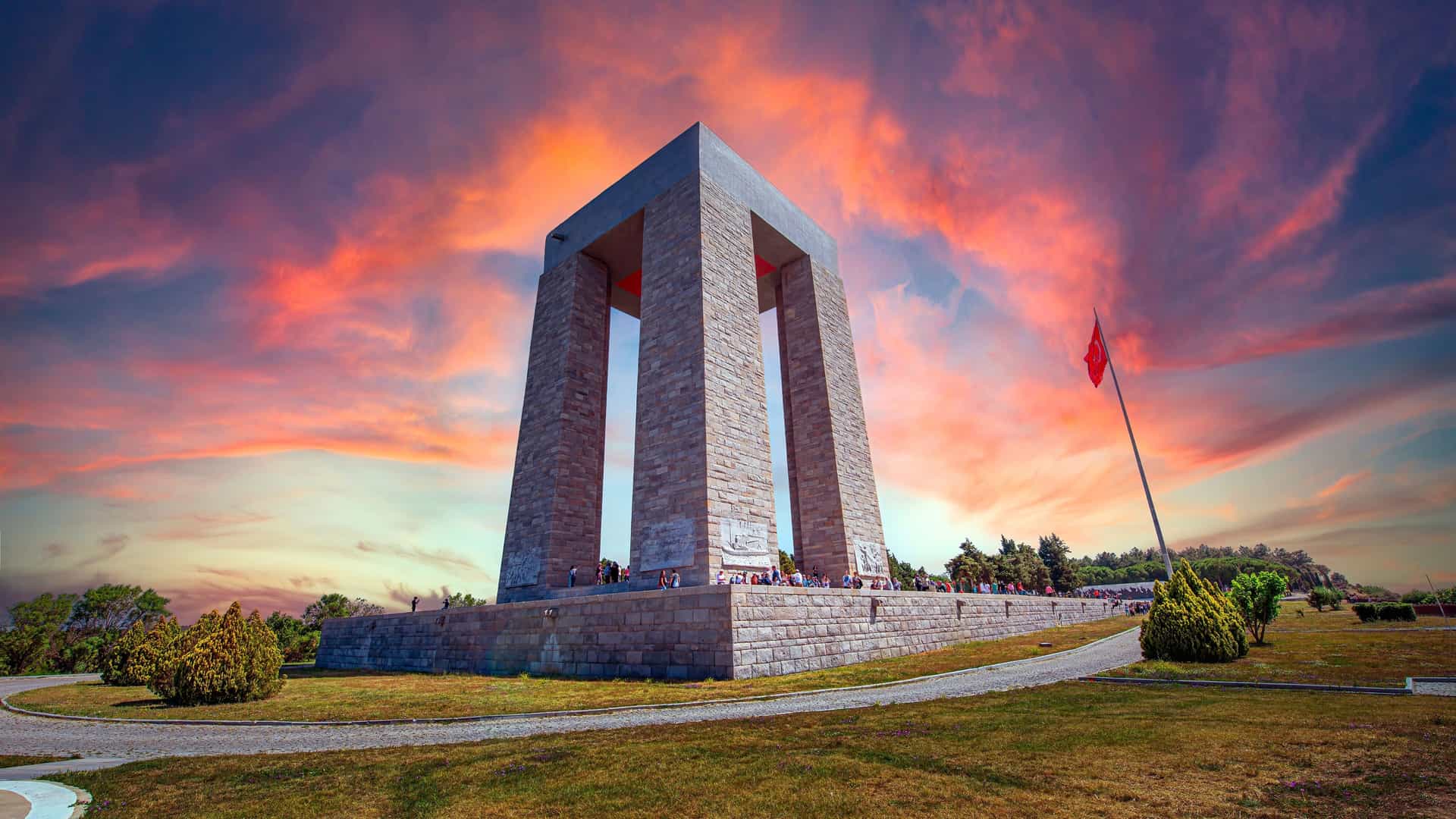
Gallipoli refers to the historical peninsula located in northwestern Turkey, on the European side of the Dardanelles Strait. While there is a modern town named Gelibolu (the Turkish name for Gallipoli), the name "Gallipoli" primarily evokes the deeply poignant Gallipoli Campaign of World War I (1915-1916). This site of immense historical significance commemorates the fierce battles fought between the Allied Forces (ANZAC, British, French, Indian, Newfoundland, and more) and the Ottoman Empire, resulting in heavy casualties on both sides. Today, the peninsula is a national park and a place of pilgrimage, preserving battlefields, trenches, and numerous memorials and cemeteries.
Cruise ships visiting Gallipoli are typically smaller expedition vessels or those on specialized historical itineraries, often anchoring in Suvla Bay or at other suitable points along the peninsula, with passengers being tendered ashore. Larger cruise ships might call at nearby ports like Çanakkale on the Asian side of the Dardanelles, and passengers then transfer by bus to the Gallipoli Peninsula. A visit to Gallipoli offers a powerful and reflective experience, providing a profound understanding of a pivotal moment in 20th-century history and honoring the sacrifices made by all involved.
Top Things to Do in Gallipoli, Turkey
Visit ANZAC Cove
Stand on the historic shores of ANZAC Cove, the legendary landing site for the Australian and New Zealand Army Corps (ANZAC) on April 25, 1915. This small crescent-shaped beach holds immense significance and is a focal point for remembrance.
Tip: Take a moment for quiet reflection. There are memorials and informative plaques nearby.
Explore Lone Pine Memorial & Trenches
Explore the site of the intense Battle of Lone Pine, one of the most famous and brutal engagements of the campaign. Visit the Lone Pine Memorial and Cemetery, which commemorates thousands of Australian and New Zealand soldiers with no known grave, and see preserved sections of trenches.
Tip: The scale of the fighting here is tangible; the preserved trenches give a visceral sense of the conditions.
Pay Respects at Chunuk Bair (New Zealand Memorial)
Ascend to Chunuk Bair, a crucial hilltop that was the scene of fierce fighting, especially for New Zealand forces. It offers panoramic views of the peninsula and the Dardanelles, and is home to the New Zealand National Memorial and a Turkish memorial.
Tip: The strategic importance of this high ground is evident from the commanding views.
Visit the Turkish 57th Infantry Regiment Memorial
Discover the Turkish 57th Infantry Regiment Memorial, a powerful tribute to the Ottoman soldiers who bravely defended their homeland. This site exemplifies the respect and shared remembrance that now characterize the memorials on the peninsula.
Tip: This memorial often features a statue of Mustafa Kemal Atatürk, who commanded the regiment and later founded the Republic of Turkey.
Reflect at Brighton Beach & Beach Cemetery
Visit Brighton Beach, a quieter area south of ANZAC Cove used as a supply and rest area, and its adjacent Beach Cemetery. These sites offer a more tranquil, yet equally poignant, atmosphere for reflection.
Tip: Take time to read the headstones and understand the young lives lost.
Explore Cape Helles and the Allied Memorials
Head to the southern tip of the peninsula, Cape Helles, where British and French forces landed. Here you'll find numerous impressive memorials, including the Helles Memorial which commemorates over 20,000 British and Commonwealth soldiers who have no known grave.
Tip: Each memorial at Helles tells a different part of the Allied story, providing a comprehensive view of the campaign.